
Silent Safari Tanzania Eco-friendly 2025
Tanzania, home to the legendary Serengeti and the majestic Mount Kilimanjaro, has long been a dream destination for wildlife enthusiasts. With vast savannas, diverse ecosystems, and incredible biodiversity, the country attracts thousands of safari-goers every year. However, a new trend is emerging—silent safaris. These sound-free experiences are revolutionizing the way travelers engage with nature, offering a deeper, more immersive connection with wildlife.
But why silence? Because nature speaks in whispers, and Tanzania is listening.
The Concept of a Silent Safari
A silent safari is a wildlife experience where noise pollution is minimized to create a more authentic and sustainable connection with nature. Unlike traditional safaris, which involve noisy diesel-powered vehicles, chatter, and camera clicks, silent safaris prioritize quiet exploration.
Instead of roaring engines, imagine the rustle of grass as an elephant walks by, the distant roar of a lion at dawn, or the melodic calls of birds greeting the sunrise. That’s the magic of a silent safari.
Why Sound-Free Safaris Matter
Noise pollution in natural habitats disrupts wildlife behavior. Loud sounds can startle animals, making them more likely to flee or act defensively. By removing excess noise, silent safaris provide:
- A less stressful environment for wildlife
- A heightened sensory experience for visitors
- A more ethical and sustainable approach to tourism
Tanzania’s Leading Role in Silent Safaris
Tanzania is at the forefront of the silent safari movement. Various national parks and conservation areas have started integrating sound-free experiences. The government, alongside eco-conscious tour operators, is working to promote electric safari vehicles, walking tours, and canoe safaris to reduce environmental impact.
How Silent Safaris Work
Several innovations have made silent safaris possible:
- Electric Safari Vehicles: These battery-powered jeeps eliminate engine noise while reducing emissions.
- Walking and Cycling Safaris: Exploring on foot or by bike offers an intimate experience with nature.
- Canoe Safaris: Gliding silently through Tanzania’s water reserves allows visitors to observe hippos, crocodiles, and birds without disturbing them.
Top Destinations for a Silent Safari in Tanzania
For those eager to experience a silent safari, these destinations should be at the top of the list:
- Serengeti National Park – Witness the Great Migration in near silence.
- Ngorongoro Conservation Area – Enjoy breathtaking views and rich biodiversity.
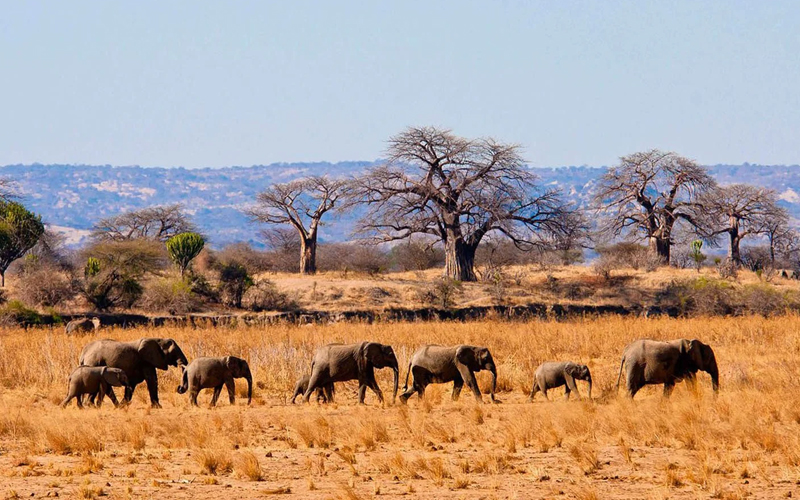
- Tarangire National Park _ known for its walking safaris and large elephant herds.
- Selous Game Reserve – A paradise for boat safaris and pristine landscapes.
The Role of Technology in Silent Safaris
Modern technology is helping silent safaris thrive. Electric vehicles, biodegradable sound-absorbing materials, and innovative tour guides who use silent hand signals are enhancing the experience while protecting wildlife.
Benefits for Conservation and Sustainability
Silent safaris contribute to conservation in several ways:
- Lower carbon footprint
- Reduced disruption to wildlife
- Promotion of sustainable tourism practices
Challenges of Implementing Silent Safaris
Despite the benefits, some challenges remain:
- High costs of electric vehicles and infrastructure
- Need for specialized guide training
- Limited availability in certain regions
How Tourists Can Support Silent Safaris
Visitors can contribute to the movement by:
- Choosing eco-conscious tour operators
- Keeping their own noise levels down
- Educating others about responsible wildlife tourism
Silent safaris are more than just a trend; they are a step toward a more responsible and immersive wildlife experience. By reducing noise pollution and embracing nature’s true soundtrack, Tanzania is setting a precedent for sustainable tourism.
If you’re looking for a safari that transforms how you experience the wild, a silent safari in Tanzania might just be your next great adventure.
FAQs
-
What is a silent safari?
A silent safari is a wildlife experience that minimizes noise pollution, using electric vehicles, walking tours, and canoe safaris to create a more natural and immersive encounter. -
Why are silent safaris better for animals?
They reduce stress on wildlife, allowing animals to behave more naturally without the disturbances of loud noises. -
Are silent safaris expensive?
While they can be slightly more expensive due to eco-friendly technology, the experience is well worth it. -
Can I take a silent safari in the Serengeti?
Yes! Several tour operators in the Serengeti now offer silent safari options. -
How can I prepare for a silent safari?
Bring binoculars, wear muted clothing, and be ready to embrace the beauty of silence.