
Tanzania Southern Circuit Safari Surge 2024
In 2024, Tanzania’s Southern Circuit is experiencing a significant surge in safari bookings, with travelers flocking to explore the less-crowded, unspoiled wilderness of this remarkable region. Known for its expansive national parks, rich biodiversity, and intimate wildlife experiences, the Southern Circuit offers a more off-the-beaten-path alternative to the popular Northern Circuit, home to destinations like Serengeti and Ngorongoro Crater. With new investments in infrastructure, eco-tourism initiatives, and growing global interest in authentic, immersive travel experiences, the Southern Circuit is quickly becoming a top choice for safari enthusiasts in 2024.
What Is the Southern Circuit?
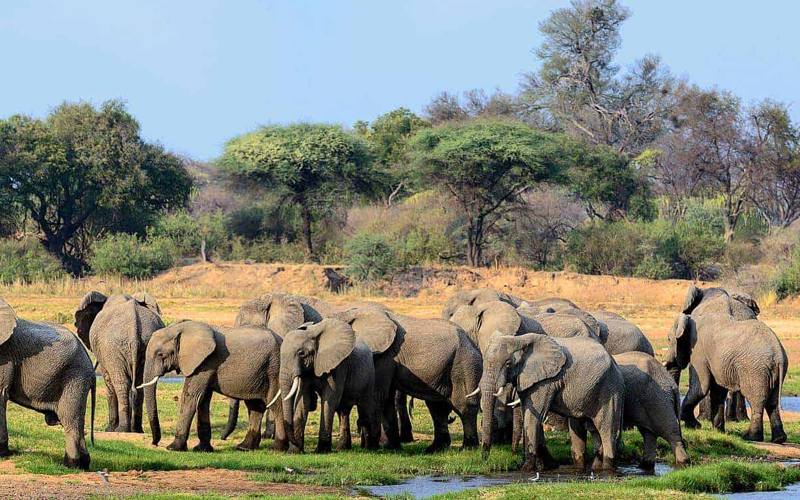
Tanzania’s Southern Circuit refers to a group of lesser-known national parks and game reserves located in the southern part of the country. Unlike the Northern Circuit, which includes famous parks like Serengeti and Mount Kilimanjaro, the Southern Circuit is characterized by vast, remote wilderness areas that offer a more secluded safari experience.
Key Destinations in the Southern Circuit
- Selous Game Reserve (now Nyerere National Park): One of the largest game reserves in the world, Nyerere National Park is renowned for its stunning landscapes, diverse wildlife, and boat safaris along the Rufiji River.
- Ruaha National Park: Known for its rugged terrain and large populations of elephants and big cats, Ruaha offers a truly wild safari experience.
- Mikumi National Park: Often referred to as the “little Serengeti” of the south, Mikumi is home to an array of wildlife, including lions, giraffes, zebras, and hippos.
- Udzungwa Mountains National Park: Famous for its hiking trails and endemic species, including unique primates and birds, Udzungwa offers a blend of adventure and wildlife viewing.
Why the Southern Circuit Is Gaining Popularity in 2024
1. Escape the Crowds of the Northern Circuit
One of the primary reasons for the surge in safari bookings in Tanzania’s Southern Circuit is the desire for a more tranquil, crowd-free experience. While the Northern Circuit remains popular for its iconic wildlife and landscapes, it also attracts large numbers of tourists, especially during peak safari seasons. In contrast, the Southern Circuit offers visitors the chance to explore vast wilderness areas with fewer safari vehicles and more intimate wildlife encounters.
For travelers seeking solitude and an authentic connection with nature, the Southern Circuit is a perfect alternative. The parks in the south are larger and less commercialized, allowing for a more exclusive and private safari experience.
2. Rich Biodiversity and Unique Wildlife
The Southern Circuit boasts an incredible array of wildlife, rivaling that of the Northern Circuit. Nyerere National Park, for example, is home to one of Africa’s largest populations of elephants, as well as hippos, crocodiles, lions, leopards, and African wild dogs. The diverse ecosystems of Ruaha National Park support huge populations of predators and herbivores, including cheetahs, buffalos, and giraffes.
What sets the Southern Circuit apart is the opportunity to see rare and endangered species, such as the sable antelope and the African wild dog, which are harder to spot in the northern parks. Birdwatchers will also be delighted by the abundance of bird species in the south, particularly in the wetlands and along the Rufiji River.
3. New Investments in Infrastructure
In recent years, the Tanzanian government and private investors have made significant efforts to improve infrastructure in the Southern Circuit, making it more accessible to travelers. Roads have been upgraded, and domestic flight options to key parks like Ruaha and Nyerere National Park have increased, reducing travel times and making it easier for tourists to visit multiple destinations within the circuit.
Additionally, new luxury lodges, eco-friendly camps, and boutique accommodations have been developed in the region, offering travelers a wide range of options for their stay. These accommodations focus on sustainability and are designed to blend seamlessly into the natural surroundings, enhancing the overall safari experience.
4. Focus on Eco-Tourism and Conservation
As global awareness of sustainable travel grows, many tourists are seeking destinations that prioritize conservation and responsible tourism practices. The Southern Circuit’s parks and lodges have embraced eco-tourism principles, ensuring that tourism has a positive impact on both the environment and local communities.
Many lodges in the Southern Circuit are committed to minimizing their ecological footprint by using solar power, reducing plastic waste, and supporting local conservation projects. Tourists can participate in activities that promote environmental awareness, such as guided nature walks, wildlife tracking, and birdwatching tours led by local experts.
The Southern Circuit’s focus on eco-tourism not only preserves the natural beauty of the region but also offers visitors the chance to engage with the local culture and contribute to the protection of Tanzania’s wildlife.
5. Variety of Safari Experiences
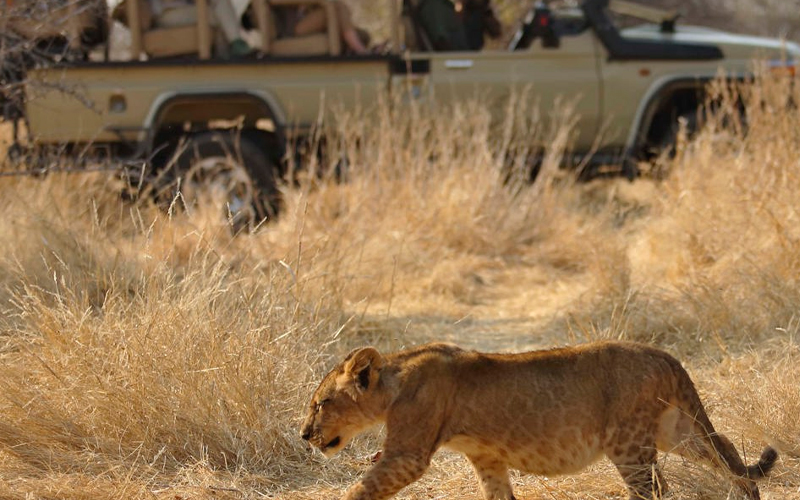
The Southern Circuit offers a wide range of safari experiences, catering to different types of travelers. In Nyerere National Park, boat safaris along the Rufiji River provide a unique perspective on wildlife viewing, with opportunities to see hippos, crocodiles, and birds from the water. Walking safaris are also popular in the Southern Circuit, offering a more immersive and adventurous way to explore the wilderness with an experienced guide.
For those interested in a more traditional safari, game drives through the vast savannahs of Ruaha and Mikumi offer incredible opportunities to see large herds of elephants, lions on the hunt, and other iconic African animals. The diverse landscapes, from the rolling hills of Ruaha to the wetlands of Nyerere, provide a varied and enriching safari experience.
Challenges and Opportunities for the Southern Circuit
1. Accessibility and Logistics
While infrastructure in the Southern Circuit has improved, accessibility remains a challenge for some travelers. The parks are located in remote areas, and although domestic flights have increased, road travel can still be lengthy and challenging, particularly during the rainy season when roads may become muddy and difficult to navigate.
However, the remoteness of the Southern Circuit is also one of its greatest assets, as it ensures that the region remains unspoiled and less commercialized. Travelers who make the journey are rewarded with exclusive wildlife experiences that are hard to find elsewhere in Tanzania.
2. Growing Interest from International Tourists
The surge in safari bookings in 2024 has been driven by increased interest from international tourists, particularly from North America and Europe. As more travelers seek unique and off-the-beaten-path destinations, the Southern Circuit’s reputation is growing globally.
This surge presents both opportunities and challenges. On one hand, increased tourism brings economic benefits to local communities and supports conservation efforts. On the other hand, there is a need to manage the growth sustainably to ensure that the region’s ecosystems remain intact and that tourism does not overwhelm the parks.
3. The Role of Local Communities
Local communities play a vital role in the success of the Southern Circuit. Many safari lodges and camps in the region employ local staff, ensuring that tourism revenue benefits the people living near the parks. Additionally, community-based tourism initiatives, such as cultural tours and handicraft workshops, offer visitors the chance to learn about the local way of life while supporting small businesses.
As the Southern Circuit continues to grow in popularity, it is essential that local communities remain active participants in the tourism industry, ensuring that they benefit from the region’s increasing visibility on the global stage.
How to Plan a Safari in Tanzania’s Southern Circuit
1. Best Time to Visit
The best time to visit the Southern Circuit depends on what type of experience you’re seeking. The dry season, from June to October, is ideal for wildlife viewing, as animals congregate around water sources, and the vegetation is less dense, making it easier to spot wildlife. This is also the peak season for safaris, so it’s best to book well in advance.
For birdwatchers, the wet season (November to May) offers an abundance of birdlife, particularly migratory species. However, some roads may become impassable during the rainy months, so visitors should plan accordingly.
2. Choosing the Right Safari Package
There are a variety of safari packages available for the Southern Circuit, ranging from budget-friendly camping trips to luxury lodge experiences. When planning your trip, consider how much time you have and what type of experience you’re looking for. Many tour operators offer multi-day packages that combine visits to different parks within the Southern Circuit, providing a diverse safari experience.
For those seeking a more immersive adventure, some operators offer walking safaris, fly camping (mobile camps set up in remote locations), and cultural tours that allow visitors to engage with local communities.
3. Working with Experienced Guides
A knowledgeable guide is essential for making the most of your safari in the Southern Circuit. Local guides not only have expert knowledge of the region’s wildlife but also offer insights into the cultural and ecological significance of the area. Whether you’re on a game drive, a walking safari, or a boat tour, your guide will enhance the experience by sharing their expertise and helping you spot wildlife that you might otherwise miss.
Tanzania’s Southern Circuit is rapidly emerging as one of the most sought-after safari destinations in 2024. With its vast wilderness, rich biodiversity, and focus on eco-tourism, it offers a unique and intimate safari experience that stands in contrast to the more crowded Northern Circuit. As more travelers seek authentic, off-the-beaten-path adventures, the Southern Circuit is poised to become a major player in Tanzania’s tourism industry.
For those looking to explore Tanzania’s wild and unspoiled southern parks, now is the perfect time to book a safari. Whether you’re navigating the waterways of Nyerere National Park, spotting lions in Ruaha, or hiking through the Udzungwa Mountains, the Southern Circuit promises an unforgettable adventure.
FAQs
- Why is the Southern Circuit gaining popularity in 2024?
The Southern Circuit offers a more secluded, crowd-free safari experience with diverse wildlife, improved infrastructure, and a strong focus on eco-tourism, attracting travelers seeking unique, off-the-beaten-path adventures. - Which national parks are part of the Southern Circuit?
Key parks in the Southern Circuit include Nyerere National Park (formerly Selous Game Reserve), Ruaha National Park, Mikumi National Park, and Udzungwa Mountains National Park. - What wildlife can I expect to see in the Southern Circuit?
The Southern Circuit is home to a wide range of wildlife, including elephants, lions, leopards, African wild dogs, hippos, and rare species such as the sable antelope. - When is the best time to visit the Southern Circuit?
The dry season (June to October) is the best time for wildlife viewing, while the wet season (November to May) is ideal for birdwatching, though some roads may be difficult to navigate during the rains. - How is the Southern Circuit promoting sustainable tourism?
The Southern Circuit’s lodges and camps are focused on eco-tourism, with initiatives such as solar power, waste reduction, and support for local conservation projects, ensuring that tourism has a positive impact on both the environment and local communities.
Discover the Wonders of Tanzania!
Explore our pages for detailed information on:
- Serengeti Migration
- Tanzania Safari
- Tarangire Day Trip
- Tarangire National Park
- Zanzibar Vacation
- Volunteering Opportunities
- Serengeti National Park
Visit our website to start planning your incredible adventure today!