
Climate Change Impact Tanzania Wildlife Safaris 2025
Tanzania, renowned for its breathtaking landscapes and iconic wildlife, is a top safari destination. However, climate change poses significant challenges to the country’s ecosystems, wildlife, and safari experiences. In 2025, the effects of climate change are becoming more evident, influencing migration patterns, habitats, and the sustainability of wildlife tourism. This article explores how climate change is reshaping Tanzania’s wildlife safaris and what travelers and conservationists can do to adapt and mitigate its impact.
Understanding Climate Change in Tanzania
1. Rising Temperatures: Tanzania is experiencing higher average temperatures, which affect both flora and fauna. Animals are forced to adapt to extreme heat, leading to shifts in their behavior and habitats.
2. Altered Rainfall Patterns: Unpredictable rains and prolonged droughts are becoming more frequent. This disrupts the delicate balance of Tanzania’s ecosystems, from the Serengeti to the Ngorongoro Crater.
3. Ecosystem Vulnerabilities: Sensitive ecosystems, such as wetlands and savannahs, are particularly at risk. Changes in water availability and vegetation patterns directly affect wildlife.
Effects of Climate Change on Tanzania’s Wildlife
1. Disruption of the Great Migration: The Great Wildebeest Migration, one of the most spectacular natural events, depends on seasonal rainfall. Irregular rains in 2025 have delayed migration patterns, affecting predator-prey dynamics and safari timing.
2. Habitat Loss: As vegetation zones shift, animals like elephants and giraffes face shrinking feeding grounds. This leads to increased competition for resources among wildlife.
3. Threatened Water Sources: Waterholes and rivers are drying up faster due to extended dry seasons. This forces animals to travel longer distances for water, increasing stress and mortality rates.
4. Impact on Predators: Predators like lions and leopards rely on stable prey populations. With prey species struggling to adapt to changing conditions, predators are also under threat.
How Safari Tourism is Being Affected
1. Changing Wildlife Viewing Opportunities: Unpredictable wildlife movements mean that travelers may need to adjust their expectations. Safari operators in 2025 are finding it challenging to guarantee sightings of specific animals.
2. Increased Costs: Climate change has driven up the costs of maintaining reserves and lodges. For example, additional resources are needed to provide water during droughts or repair infrastructure after floods.
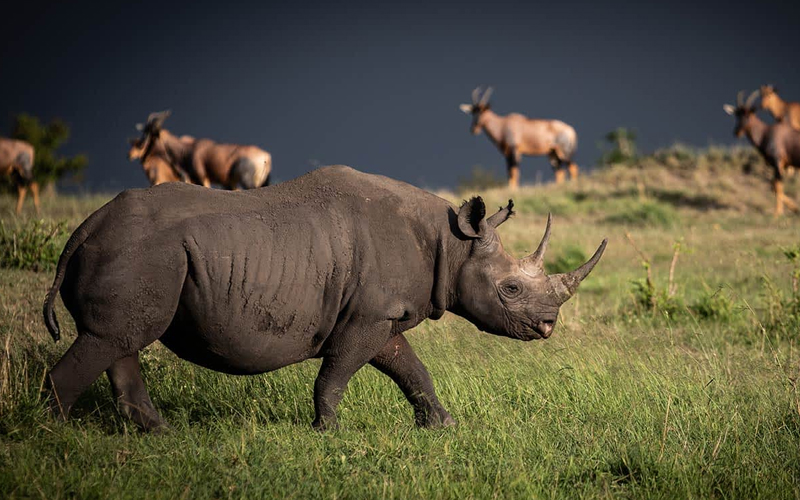
3. Threats to Iconic Species: Critically endangered species like black rhinos are facing greater threats due to habitat loss and poaching exacerbated by climate instability.
Mitigating the Impact of Climate Change on Safaris
1. Conservation Initiatives: Efforts like reforestation, water conservation, and anti-poaching patrols are critical. Many safari companies in Tanzania are actively investing in these programs.
2. Eco-Friendly Safari Practices: Lodges and camps are adopting solar power, reducing waste, and limiting water usage to operate more sustainably.
3. Supporting Community-Based Tourism: Empowering local communities ensures they benefit from tourism, making them key players in conservation efforts. This model helps reduce human-wildlife conflicts caused by resource competition.
What Travelers Can Do
1. Choose Sustainable Operators: Opt for safari companies that prioritize eco-friendly practices and contribute to conservation projects.
2. Offset Carbon Footprints: Many organizations offer programs to offset the carbon emissions from your travel, supporting renewable energy and reforestation projects in Tanzania.
3. Travel During Low-Impact Seasons: Visit during periods of less environmental strain, such as the shoulder seasons, to reduce pressure on resources.
Future Outlook: What 2025 Holds for Tanzania Safaris
1. Innovative Solutions: Tanzania’s tourism sector is innovating with solutions like water recycling systems and wildlife corridors to adapt to climate challenges.
2. Adaptive Safari Experiences: Night safaris, cultural tours, and walking safaris are becoming popular alternatives to traditional game drives, offering unique ways to experience Tanzania’s wilderness.
3. Renewed Conservation Focus: There is growing awareness of the need for global and local collaboration to combat climate change. Travelers can expect to see more initiatives aimed at protecting Tanzania’s iconic wildlife.
Climate change is undoubtedly reshaping Tanzania’s wildlife safaris in 2025, presenting both challenges and opportunities. While the effects are alarming, they also highlight the urgent need for sustainable tourism and conservation. By supporting eco-friendly practices and responsible travel, we can help protect Tanzania’s unique ecosystems for future generations. A safari in 2025 isn’t just an adventure—it’s a chance to witness and support the resilience of nature.
FAQs
1. How is climate change affecting the Great Migration?
Unpredictable rainfall patterns are delaying migration cycles, altering the timing and routes of wildebeest and zebra herds.
2. Are there sustainable safari options in Tanzania?
Yes, many operators now offer eco-friendly safaris that prioritize conservation and minimize environmental impact.
3. What is being done to protect endangered species in Tanzania?
Conservation efforts include anti-poaching initiatives, habitat restoration, and community-based wildlife management.
4. How can I reduce my environmental impact when visiting Tanzania?
Travelers can offset carbon emissions, choose sustainable accommodations, and support conservation-focused tours.
5. Is it still worth visiting Tanzania in 2025?
Absolutely! Despite climate challenges, Tanzania remains a top destination for its incredible wildlife, stunning landscapes, and commitment to conservation.
Your Gateway to Tanzania’s Wonders!
Explore more about:
- Ngorongoro Crater Day Trip
- Serengeti Migration
- Tanzania Safari
- Tarangire Day Trip
- Tarangire National Park
- Zanzibar Vacation
Plan your adventure today!