
Sustainable Trekking Mount Kilimanjaro 2025
Mount Kilimanjaro, Africa’s highest peak, attracts thousands of trekkers every year. But as its popularity grows, so do the environmental challenges. Waste, deforestation, and climate change threaten this iconic mountain.
If you dream of conquering Kilimanjaro while minimizing your environmental impact, choosing sustainable trekking routes and eco-friendly practices is essential. This guide explores the best sustainable routes and how to trek responsibly.
The Environmental Challenges of Climbing Kilimanjaro
- Waste and Pollution on the Mountain: With over 50,000 climbers annually, waste management is a major concern. Many trekkers leave behind plastic bottles, food wrappers, and even human waste, which pollutes the trails.
- Deforestation and Trail Erosion: Clearing trees for firewood and heavy foot traffic erode the trails, damaging Kilimanjaro’s fragile ecosystem.
- The Impact of Climate Change on Glaciers: Kilimanjaro’s glaciers are melting fast due to climate change. Scientists predict that the mountain may lose its ice cap within the next few decades. Sustainable trekking plays a small but important role in reducing carbon footprints and supporting conservation efforts.
Choosing an Eco-Friendly Trekking Route
Overview of Kilimanjaro’s Main Routes:
There are seven official trekking routes on Kilimanjaro:
- Marangu Route (Most Crowded, Least Eco-Friendly)
- Machame Route (Popular but High Foot Traffic)
- Lemosho Route (Scenic and Less Impactful)
- Rongai Route (Remote, Minimal Footprint)
- Northern Circuit (Longest, Most Sustainable)
- Shira Route (Similar to Lemosho but Higher Start Point)
- Umbwe Route (Steep and Direct, Not Ideal for Beginners)
Which Routes Are More Sustainable?
Routes with lower traffic, gradual ascents, and less environmental disruption are the best choices for sustainable trekking.
Best Sustainable Routes on Kilimanjaro
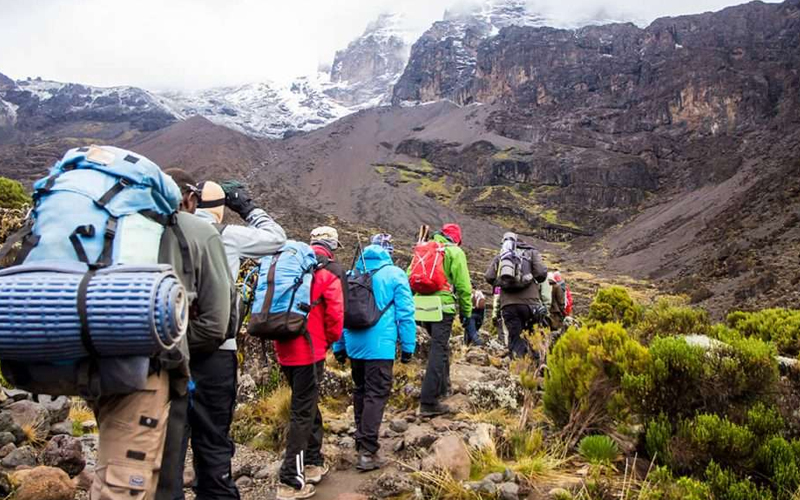
Lemosho Route: Low Traffic, High Scenic Beauty
- Duration: 7-8 days
- Why It’s Eco-Friendly: Fewer climbers, diverse ecosystems, and better waste management.
- Bonus: High success rates due to better acclimatization.
Rongai Route: Least Disruptive to Wildlife
- Duration: 6-7 days
- Why It’s Eco-Friendly: It starts from the northern side, which has less vegetation destruction and lower trekking traffic.
Northern Circuit: The Longest, Most Remote, and Least Impactful
- Duration: 9-10 days
- Why It’s Eco-Friendly: This is the longest and least-traveled route, meaning it has minimal environmental impact while offering stunning 360-degree views of the mountain.
Eco-Friendly Trekking Practices
Leave No Trace Principles
- Pack out all trash, including biodegradable items.
- Stay on designated trails to prevent erosion.
Using Refillable Water Bottles and Avoiding Plastic
- Bring a reusable water bottle and use purification tablets instead of buying bottled water.
Proper Waste Management and Human Waste Disposal
- Use portable toilets where available.
- Choose a trekking company that follows strict waste removal policies.
Supporting Ethical Tour Operators
How to Identify Responsible Tour Companies
Look for companies that:
- Follow eco-friendly policies.
- Treat porters fairly (members of KPAP – Kilimanjaro Porters Assistance Project).
- Limit group sizes to reduce environmental impact.
Eco-Friendly Gear for Kilimanjaro Climbs
Sustainable Hiking Boots, Clothing, and Equipment
- Choose brands that use recycled materials and sustainable production.
Solar-Powered Gadgets for Energy Efficiency
- Bring a solar-powered charger instead of disposable batteries.
Staying in Sustainable Accommodations
Eco-Lodges Near Kilimanjaro
- Many lodges near Moshi and Arusha focus on eco-friendly tourism.
Community-Based Tourism Options
- Stay in local homestays or lodges that support conservation projects.
How Climate Change is Affecting Kilimanjaro
Shrinking Glaciers and Changing Weather Patterns
- The glaciers on Kilimanjaro have shrunk by 85% in the last 100 years.
The Role of Sustainable Tourism in Conservation
- Supporting eco-tourism helps fund conservation efforts and raises awareness.
Tips for a Low-Impact Kilimanjaro Trek
- Choose Small Group Treks to reduce impact.
- Support Local Reforestation Programs by donating or volunteering.
- Respect Local Cultures and Traditions by dressing modestly and learning about the Chagga people.
Trekking Mount Kilimanjaro is an unforgettable experience, but it comes with a responsibility to protect its fragile environment. By choosing eco-friendly routes, supporting ethical operators, and following sustainable trekking practices, you can ensure that Kilimanjaro remains a natural wonder for generations to come.
FAQs
1. What is the most eco-friendly route on Kilimanjaro?
The Northern Circuit is the longest, least crowded, and most sustainable route.
2. How can I reduce my environmental impact while trekking?
Use refillable bottles, pack out trash, and choose responsible tour operators.
3. Are there eco-friendly tour companies for Kilimanjaro?
Yes! Look for companies certified by KPAP and following Leave No Trace principles.
4. What’s the best time to climb Kilimanjaro for sustainable trekking?
June to October is the best time due to stable weather and less trail erosion.
5. How does Kilimanjaro’s trekking industry support conservation efforts?
Park fees help fund reforestation and conservation projects.
Discover Tanzania’s Wonders:
- Lake Manyara National Park
- Mto wa Mbu Culture Tour
- Ngorongoro Conservation Area
- Ngorongoro Crater Day Trip
Plan your adventure today!