
Celebrating African Culture in Tanzania 2025
As the world turns its eyes toward Africa’s rich heritage and traditions, Tanzania is emerging as a beacon of cultural revival in 2025. With its diverse ethnic groups, age-old traditions, and a strong focus on preserving its roots, Tanzania is playing a pivotal role in celebrating and showcasing African culture on a global stage.
1. Tanzania’s Cultural Diversity: A Melting Pot of Traditions
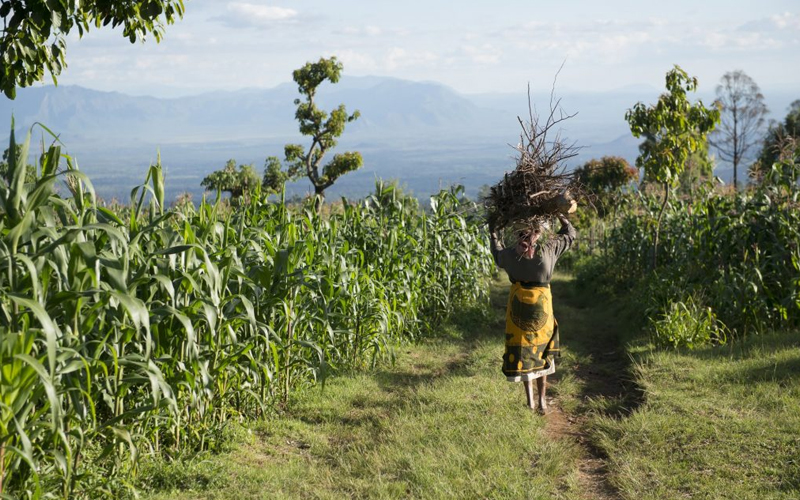
Tanzania is home to over 120 ethnic groups, each with its unique customs, languages, and art forms.
- The Maasai: Known for their vibrant attire, intricate beadwork, and warrior traditions, the Maasai are icons of Tanzania’s cultural identity.
- The Chagga: Found on the slopes of Mount Kilimanjaro, the Chagga are renowned for their coffee farming and traditional housing.
- The Swahili Coast: A blend of African, Arab, and Indian influences, the Swahili culture is rich in music, cuisine, and architecture.
This cultural diversity makes Tanzania a living museum of African heritage.
2. The Role of Tanzanian Festivals in the Cultural Revival
In 2025, festivals across Tanzania are becoming key platforms for cultural expression and revival:
- Sauti za Busara (Sounds of Wisdom): Held in Zanzibar, this festival celebrates African music, attracting artists and audiences worldwide.
- Bagamoyo Arts Festival: Known for its theater, dance, and acrobatics, this event highlights Tanzania’s creative arts.
- Unification Day Celebrations: Honoring the union of Tanganyika and Zanzibar, this event is a showcase of national pride and cultural diversity.
These festivals not only preserve traditions but also serve as a bridge between generations and cultures.
3. Language Preservation: The Power of Kiswahili
Kiswahili, Tanzania’s national language, is at the forefront of Africa’s cultural renaissance:
- Pan-African Influence: Kiswahili is now an official language of the African Union and is being promoted across the continent.
- Cultural Identity: Through Kiswahili literature, poetry, and music, Tanzania is sharing its identity with the world.
- Educational Initiatives: The Tanzanian government is investing in Kiswahili education to ensure its continued relevance and global reach.
4. Traditional Art and Craftsmanship: A Revival of Skills
Artisans across Tanzania are reviving traditional crafts to celebrate the nation’s roots:
- Tinga Tinga Art: Vibrant and colorful, this unique painting style is gaining global recognition.
- Makonde Carvings: Intricate ebony wood sculptures tell stories of Tanzanian myths and daily life.
- Beadwork and Textiles: From Maasai beads to kanga fabrics, these crafts embody Tanzania’s cultural elegance.
In 2025, Tanzanian art is not only a source of pride but also a driver of sustainable livelihoods.
5. Cuisine: A Taste of Tanzanian Heritage
Tanzanian cuisine is a flavorful blend of Indigenous, Arab, and Indian influences:
- Popular Dishes: Ugali (maize porridge), nyama choma (grilled meat), and pilau (spiced rice) are staples.
- Swahili Dishes: Zanzibar’s spice-infused seafood dishes, like octopus curry, are culinary treasures.
- Food Tourism: Culinary tours allow visitors to explore Tanzania’s rich gastronomic heritage while supporting local communities.
6. Music and Dance: The Heartbeat of Tanzania’s Culture
Music and dance are integral to Tanzania’s cultural revival:
- Traditional Rhythms: Drumming, chanting, and traditional instruments like the zeze and marimba connect Tanzanians to their heritage.
- Bongo Flava: This modern genre blends hip-hop, R&B, and traditional Tanzanian sounds, resonating with younger generations.
- Cultural Performances: Traditional dances like the Maasai adumu (jumping dance) captivate audiences worldwide.
In 2025, Tanzanian music is bridging the past and future, resonating with a global audience.
7. Conservation of Historic Sites
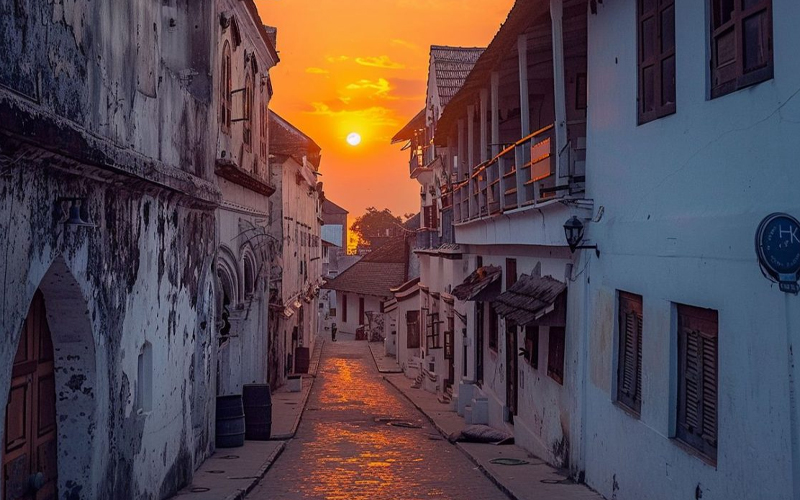
Tanzania’s historical landmarks are being preserved to highlight its rich past:
- Stone Town, Zanzibar: A UNESCO World Heritage Site, Stone Town showcases Swahili culture through its architecture and history.
- Bagamoyo: This coastal town, once a key stop in the East African slave trade, is now a center for historical education and reflection.
- Olduvai Gorge: Known as the Cradle of Humankind, this site underscores Tanzania’s role in human evolution.
By preserving these sites, Tanzania is ensuring that its history remains accessible to future generations.
8. Community-Led Initiatives: Empowering Local Voices
Cultural revival in Tanzania is rooted in grassroots efforts:
- Village Tours: Programs like Materuni and Mto wa Mbu showcase daily life and traditions.
- Women’s Cooperatives: Groups specializing in beadwork and weaving empower women economically and socially.
- Youth Engagement: Workshops and training programs ensure that younger generations carry forward Tanzania’s cultural heritage.
9. Tanzania’s Global Influence on African Culture
Tanzania’s cultural initiatives are inspiring other African nations to embrace their heritage:
- Pan-African Collaborations: Partnerships with neighboring countries are promoting shared traditions.
- Cultural Diplomacy: Through art, music, and language, Tanzania is strengthening its ties with the global community.
10. Planning Your Cultural Journey in Tanzania for 2025
For travelers seeking to immerse themselves in Tanzania’s rich culture, here are some tips:
- Explore Local Communities: Visit villages to experience authentic traditions.
- Attend Festivals: Plan your trip around events like Sauti za Busara and the Bagamoyo Arts Festival.
- Support Local Artisans: Purchase crafts directly from communities to support their livelihoods.
Tanzania’s cultural revival in 2025 is a testament to the nation’s commitment to preserving its roots while embracing the future. By celebrating its traditions and empowering local communities, Tanzania is not only enriching its own identity but also contributing to a broader understanding of Africa’s cultural wealth. Whether through festivals, art, cuisine, or music, Tanzania invites the world to experience the beauty of its heritage.
FAQs
- What are the key cultural events in Tanzania for 2025?
Major events include the Sauti za Busara Festival, Bagamoyo Arts Festival, and Unification Day celebrations. - How can travelers support Tanzania’s cultural revival?
Visitors can attend festivals, buy local crafts, and choose community-based tourism experiences. - What makes Kiswahili important in Tanzania’s cultural identity?
Kiswahili serves as a unifying language and a key medium for preserving and sharing Tanzania’s heritage. - Are there specific regions known for their cultural heritage?
Yes, Zanzibar, Bagamoyo, and the Maasai villages of northern Tanzania are rich in cultural experiences. - Is Tanzania suitable for a cultural tourism-focused trip?
Absolutely! Tanzania offers a mix of traditions, history, and modern cultural expressions, making it an ideal destination for cultural tourism.
Explore the Wonders of Tanzania with Us!
Discover our detailed pages for insights on:
- Ngorongoro Conservation Area
- Ngorongoro Crater Day Trip
- Serengeti Migration
- Tanzania Safari
- Tarangire Day Trip
Start planning your unforgettable adventure today!