
Tanzania New Protected Wildlife Areas 2024
Tanzania is renowned for its extraordinary wildlife and breathtaking landscapes, making it one of the world’s most iconic conservation hubs. In 2024, the Tanzanian government took a bold step by designating new protected areas to strengthen its efforts in preserving biodiversity. This move not only underscores Tanzania’s commitment to wildlife conservation but also highlights its role as a leader in global environmental stewardship.
Tanzania’s Rich Biodiversity
- Overview of Existing Protected Areas: Tanzania is home to some of the world’s most famous protected zones, including the Serengeti National Park, Ngorongoro Conservation Area, and Selous Game Reserve. These areas form the backbone of the country’s conservation efforts, attracting millions of visitors annually while safeguarding vital ecosystems.
- The Unique Ecosystems of Tanzania: From the grasslands of the Serengeti to the lush forests of the Eastern Arc Mountains, Tanzania boasts diverse habitats that support a wide range of species. These ecosystems are not only critical for wildlife but also for maintaining environmental balance.
- Key Wildlife Species Under Protection: Iconic species such as elephants, lions, cheetahs, and rhinos call Tanzania home. Many of these animals face threats like habitat loss and poaching, making the expansion of protected areas crucial for their survival.
New Protected Areas Announced
- Overview of the Newly Protected Areas: The Tanzanian government recently announced the addition of several protected zones, including new wildlife management areas, forest reserves, and marine conservation zones. These areas are strategically located to address critical conservation needs.
- Strategic Locations of the New Zones: The new protected zones cover regions with high biodiversity, such as corridors connecting national parks and areas under severe ecological pressure. This strategic approach enhances the protection of wildlife migration routes and critical habitats.
- Expected Ecological Benefits: Expanding protected areas helps restore degraded ecosystems, maintain biodiversity, and provide a safe haven for endangered species. This move is expected to strengthen the country’s conservation impact significantly.
The Role of Protected Areas in Conservation
- Safeguarding Endangered Species: Protected areas act as sanctuaries for endangered species, ensuring their survival and allowing populations to recover. They are essential in combating threats like poaching and habitat destruction.
- Preserving Natural Habitats: These zones protect vital habitats, ensuring that ecosystems remain intact and functional. Healthy habitats are crucial for supporting both wildlife and human communities.
- Mitigating Human-Wildlife Conflicts: Protected areas help reduce conflicts between wildlife and local communities by creating boundaries and implementing sustainable land-use practices.
Impacts on Local Communities
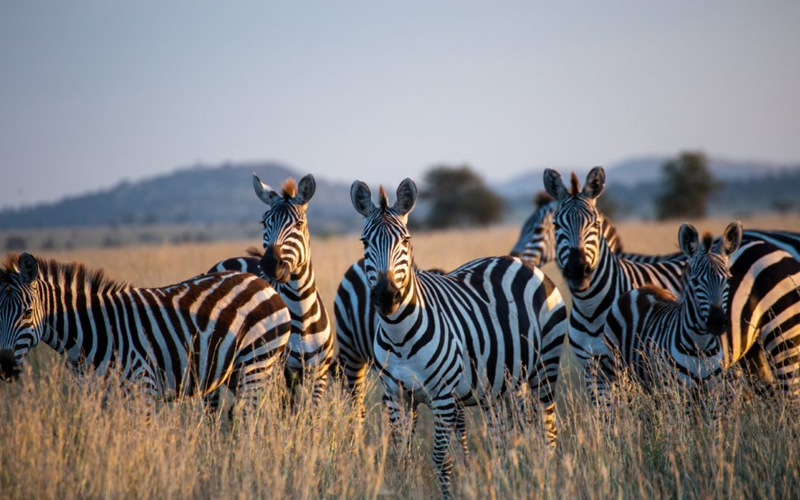
- Benefits of Conservation Tourism: Conservation tourism, fueled by Tanzania’s protected areas, generates significant revenue. This income supports local economies and funds conservation initiatives, creating a win-win scenario.
- Community Involvement in Wildlife Protection: Tanzania’s conservation model emphasizes community participation. Local residents are often involved in managing wildlife reserves, ensuring that they benefit directly from conservation efforts.
- Challenges Faced by Local Residents: Despite the benefits, expanding protected areas can lead to challenges such as restricted access to traditional lands and resources. Addressing these concerns requires inclusive conservation strategies.
Government and International Collaboration
- Tanzania’s Conservation Policies: The government has implemented policies aimed at balancing conservation with sustainable development. These policies prioritize both biodiversity protection and economic growth.
- Role of International Partnerships: International organizations play a vital role in supporting Tanzania’s conservation efforts through funding, expertise, and advocacy. Partnerships with entities like the World Wildlife Fund (WWF) and the United Nations Development Program (UNDP) amplify Tanzania’s impact.
- Funding and Resource Allocation: Adequate funding is essential for the success of conservation projects. Tanzania’s initiatives are supported by a mix of government budgets, international grants, and private sector contributions.
Future Prospects for Wildlife in Tanzania
- Long-Term Conservation Goals: Tanzania aims to create a network of interconnected protected areas that ensure the long-term survival of its biodiversity. This approach emphasizes resilience and sustainability.
- Addressing Climate Change Impacts: Climate change poses significant threats to Tanzania’s ecosystems. Conservation efforts are increasingly focusing on mitigating these impacts through reforestation, habitat restoration, and adaptive management strategies.
- Building Sustainable Conservation Models: The future of wildlife conservation in Tanzania lies in creating models that balance ecological preservation with community well-being. Innovative approaches, such as eco-tourism and sustainable agriculture, are key to achieving this goal.
Tanzania’s decision to expand its protected areas marks a significant milestone in its conservation journey. By safeguarding its rich biodiversity and addressing emerging challenges, Tanzania is setting a powerful example for the world. Supporting these efforts is essential to ensure that future generations can enjoy the natural wonders that make Tanzania a global treasure.
FAQs
- What are the new protected areas in Tanzania?
Tanzania has introduced new wildlife management areas, forest reserves, and marine conservation zones to expand its conservation network. - How does Tanzania benefit from wildlife conservation?
Wildlife conservation boosts tourism, supports local economies, and ensures the survival of diverse ecosystems. - What challenges does Tanzania face in conserving wildlife?
Challenges include habitat loss, poaching, human-wildlife conflicts, and the impacts of climate change. - How do protected areas impact local communities?
Protected areas provide economic opportunities through tourism but may also restrict access to traditional lands and resources. - What role do international organizations play in Tanzania’s conservation efforts?
They offer funding, technical expertise, and advocacy, complementing Tanzania’s conservation policies and projects.
Explore Tanzania’s Hidden Gems!
Discover more about these incredible experiences:
- Lake Duluti Walking Safari
- Lake Manyara Day Trip
- Lake Manyara National Park
- Mto wa Mbu Culture Tour
- Ngorongoro Conservation Area
- Ngorongoro Crater Day Trip
Start your journey into Tanzania’s rich landscapes and cultures today on our website!